Al Futtaim Tower: Architectural Significance in Dubai


Intro
In the bustling heart of Dubai, the Al Futtaim Tower stands not just as a structure, but as a beacon of architectural innovation and urban aspiration. This modern marvel is a testament to the rapid transformation taking place in Dubai's skyline, reflecting both the city's ambitions and its rich cultural tapestry. Designed with an eye for both form and function, the tower embodies the essence of contemporary architecture while paying homage to the traditional motifs that once shaped the region.
A blend of glass and steel, Al Futtaim Tower stretches towards the sky, capturing the imagination of investors and tourists alike. As one gazes upon its unique silhouette against the backdrop of Dubai's ever-evolving landscape, it’s clear that this tower is more than just an office building; it’s a symbol of progress.
With the rapid development and influx of international investment, understanding the relevance of the Al Futtaim Tower in the real estate market is paramount. This exploration seeks to provide insights into its architectural significance while painting a vivid picture of its impact on urban life in Dubai. For real estate enthusiasts and investors, learning about this iconic edifice reveals the larger narrative of Dubai's growth and the opportunities that lie within.
Prolusion to Al Futtaim Tower
The Al Futtaim Tower stands as a striking symbol within Dubai's ever-evolving skyline. This landmark is not just a building; it embodies the aspirations of a city that has rapidly transformed from a humble trading port into a global hub of commerce and innovation. The focus on the tower invites discussions about its architectural significance, the historical narratives that led to its conception, as well as its role in enhancing the urban fabric of Dubai.
The importance of this exploration lies in understanding how the Al Futtaim Tower showcases a blend of modern design principles with traditional influences, capturing the essence of Dubai’s rich cultural heritage while pushing the boundaries of contemporary architecture. This section serves as a foundation for deeper insights into its design and functionality, ultimately reflecting its considerable impact on both the local community and the broader real estate market.
Historical Context
To appreciate the Al Futtaim Tower, one must first delve into its historical context. The tower is part of a legacy that dates back several decades, closely intertwined with the Al Futtaim Group, a key player in the development of Dubai's economy. Founded in the early 20th century, the group started with humble beginnings and steadily expanded into various sectors, marking its footprint within Dubai’s growth trajectory. The construction of this tower symbolizes a culmination of economic prosperity and the architectural ambitions that have characterized this city.
Dubai’s economic evolution began after the discovery of oil in the 1950s, which fundamentally reshaped the city's landscape. The government’s initiatives, paired with private investments, led to a real estate boom. Al Futtaim Tower, constructed in the 21st century, represents this new wave of urban development—where modernity blends seamlessly into the framework of a thriving metropolis. Understanding the political and economic shifts during this period allows for a richer appreciation of what the tower represents today.
Architectural Overview
The architectural design of Al Futtaim Tower is a narrative in itself, representing a significant shift towards modern architecture in Dubai. Standing tall, its façade reflects the sun's rays during the day, a design that also incorporates sustainable elements to mitigate energy consumption. The structure employs innovative engineering solutions to ensure stability and resilience, particularly considering the challenges posed by the desert environment.
The tower's design principles prioritize functionality without sacrificing aesthetic appeal. With spacious interiors and versatile configurations, the layout caters not only to corporate needs but also promotes community engagement. The use of high-quality materials, such as glass and steel, not only enhances its visual impact but also speaks to the contemporary architectural style that influences many of Dubai's landmarks today.
Key features of the architectural design:
- Sustainability: Energy-efficient systems reduce the overall environmental footprint.
- Cultural Significance: Incorporation of traditional Arabic design elements to honor local heritage.
- Modern Aesthetics: A sleek and innovative façade that defines the skyline of Dubai today.
Through the Al Futtaim Tower, one can observe how architecture transcends mere construction, creating a narrative that speaks to both the past and the future of Dubai.
The Architectural Design of Al Futtaim Tower
The architectural design of Al Futtaim Tower stands as a cornerstone of this exploration, representing more than mere structure—it embodies a vision for modern urban life. Its design is not just about form, but about the function and the way it influences the surrounding environment. As a central piece of Dubai’s skyline, understanding the intricacies of its architectural design offers insight into its broader impact on the local landscape and its appeal to investors, homebuyers, and urban enthusiasts alike.
Design Principles and Philosophy
When it comes to the architectural design of Al Futtaim Tower, several guiding principles come into play. The first is an emphasis on functionality. The tower is designed not only to captivate the eye but also to serve the practical needs of its tenants and visitors. Space efficiency is paramount; every square meter is carefully crafted to ensure maximum usability. This dedication to utility does not sacrifice aesthetics, resulting in a harmonious blend of beauty and purpose.
Another vital element of the design philosophy is sustainability. The creators of Al Futtaim Tower incorporated features that minimize environmental impact. This includes energy-efficient systems and strategic natural lighting that reduce reliance on artificial sources. For those keen on investing, such attributes boost the building's long-term viability—investors are increasingly attracted to properties with sustainability built into their very fabric.
Aesthetically, the design draws inspiration from traditional Islamic architecture. The intricate details and patterns pay homage to heritage while employing modern construction methods. This dual representation serves both local and international appeal, making it a captivating landmark. There’s a conversation taking place between tradition and modernity, embodying Dubai’s own journey toward becoming a global city.
Materials Used in Construction
Material selection played an instrumental role in the identity of Al Futtaim Tower. Each element contributes not only to the building's visual appeal but also its functionality and sustainability. Mixed-use spaces necessitate diverse materials, and this structure delivers them robustly.
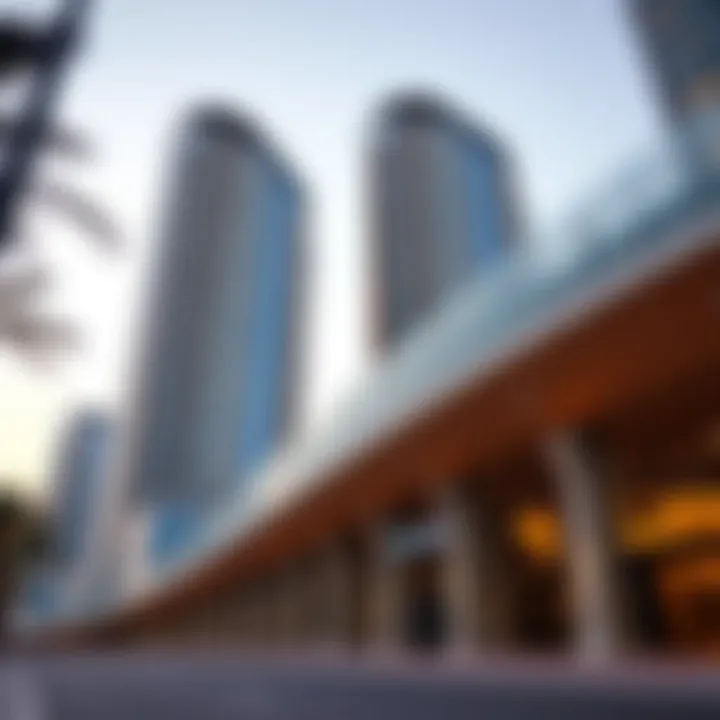
- Glass: The facade features large expanses of high-performance glass. This material has been carefully chosen to reflect Dubai’s sunlight while maintaining thermal comfort inside. The glass provides a transparent look into the bustling activity within, inviting curiosity from passersby.
- Steel Framework: The structural integrity comes from a robust steel framework. This choice supports the intricacy of modern design—it allows for vast open spaces without compromising stability, which is crucial in a city known for its seismic considerations sometimes.
- Locally-Sourced Materials: An interesting aspect of the construction is the use of materials sourced from the local region. Not only does this support the local economy, but it also reinforces cultural ties. Structures crafted from materials that resonate with the surrounding area often resonate deeper with its inhabitants, enhancing the tower’s already significant role in urban life.
In summary, Al Futtaim Tower isn’t just a building; it’s a thoughtful synthesis of design principles and material selection that embodies both utility and artistry. The marriage of traditional influences with modern sustainability creates an icon that fits seamlessly into the Dubai skyline while also standing as a testament to forward-thinking design.
Photographic Journey: Capturing Al Futtaim Tower
The visual narrative surrounding the Al Futtaim Tower invokes a sense of wonder that transcends mere architectural significance. Capturing this landmark through photography not only exhibits its aesthetic appeal but also encapsulates the essence of contemporary Dubai. Such a photographic journey can inform investors, enthusiasts, and the broader community about the tower's contributions to the urban environment. Here, different aspects are explored, shedding light on how photography serves as a bridge connecting the structural design to its socio-cultural relevance.
Exterior Photography
Exterior photography of Al Futtaim Tower holds paramount importance, as it reveals the building's relationship with the surrounding urban landscape. The play of light and shadow on the glass and steel facade manifests both form and function in an inviting manner. Each angle offers a unique perspective, lending insight into its scale and presence amidst Dubai's bustling skyline.
On any given day, one might encounter several photographers with varying equipment, reflecting the diversity of approaches to capture this spectacular structure. From wide-angle lenses to capture the entire elevation to close-ups that highlight intricate facade details, each choice reveals something unique about the tower's character.
For aspiring real estate investors, documenting the tower's exterior can yield more than visual appeal; it illustrates how modern architectural endeavors impact market perceptions. Well-composed images can convey not just beauty but also the ethos of the structure, resonating deeply with potential buyers and stakeholders.
"Photographs are not just images; they tell stories that words often cannot express."
Interior Photography
The journey continues as one steps inside Al Futtaim Tower, an aspect of architectural photography often overshadowed by external façades. The interior encapsulates a marriage of design intricacies and functional spaces. Here, photographers face the challenge of conveying the ambiance and purpose within the walls. Natural light streaming through large windows often sets the scene, creating a dynamic interplay with well-chosen furnishings and decor.
In capturing photos of the interior, one considers elements such as layout, accessibility, and overall livability. Photography in this context also highlights how Al Futtaim Tower has been engineered not only for aesthetics but also for comfort and utility—ideal traits for any commercial or residential structure.
Potential investors or buyers are likely to be drawn to well-portrayed interiors, which can outline a vision of life inside the tower. Thoughtful images can foster emotional connections and envision the possibilities of living or working within its walls.
In essence, both exterior and interior photography offer insight into the Al Futtaim Tower, forging connections between the building, the Caribbean spirit of Dubai, and those who wish to be part of this architectural narrative.
Integrating Al Futtaim Tower Within the Urban Landscape
Integrating Al Futtaim Tower within Dubai's urban landscape holds significant importance in understanding the dynamic interplay between architecture and the environment. This structure is more than just a place for commerce and residence; it acts as a visual anchor that enhances the area, showcasing innovation while also respecting the rich cultural heritage of the city. In the following sections, we will explore two critical aspects of this integration: the surrounding infrastructure and the surrounding harmony with nearby structures.
Surrounding Infrastructure
The surrounding infrastructure that supports Al Futtaim Tower is a vital determinant of its accessibility and success. Road networks, public transportation, and a variety of service provisions must harmonize to create an effective urban ecosystem around the tower. Having major thoroughfares nearby ensures that traffic flows smoothly, keeping the tower at the heart of the business activities in the region.
Al Futtaim Tower is positioned strategically close to the Sheikh Zayed Road an essential route for anyone navigating through Dubai. This not only simplifies travel for residents but also encourages foot traffic from visitors exploring the area. Pedestrian pathways, bike lanes, and public transport options like buses and the metro system add layers of accessibility which are crucial for a modern urban environment.
The success of an architectural project isn't solely in its design but in how it weaves into the tapestry of its surroundings.
Moreover, the presence of amenities like shopping centers, banks, parks, and dining options within a short distance plays a substantial role in attracting both residents and businesses. With the adjacent Al Futtaim Mall offering retail therapy and entertainment options, it creates a symbiotic relationship - people visit for shopping, thus increasing foot traffic for the tower itself, promoting a bustling atmosphere.
Harmony with Nearby Structures
Creating harmony with the nearby structures is another essential consideration when assessing the integration of Al Futtaim Tower within the urban landscape. This tower fits seamlessly among Dubai's architectural tapestry and reflects a conscious effort to blend modern design with traditional elements.
The balance between contemporary styles and cultural motifs is significant, especially in a cosmopolitan city like Dubai. For instance, the façade of Al Futtaim Tower employs intricate geometric patterns that echo traditional Islamic art, while also embracing sleek lines and modern materials. This thoughtful design choice allows the structure to resonate with local architectural styles while still standing out as a modern marvel.
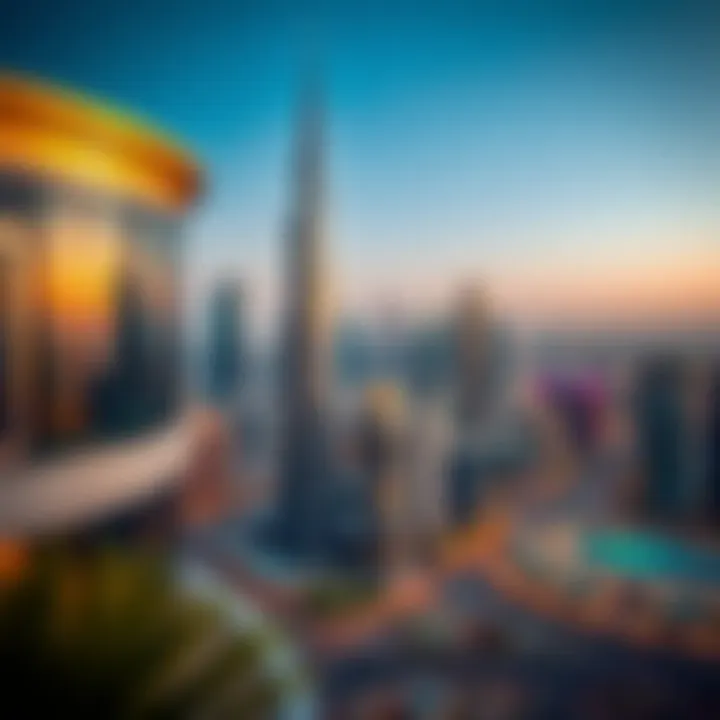
Furthermore, the visual interplay between Al Futtaim Tower and surrounding skyscrapers creates a backdrop that is both cohesive and stunning. The design does not impose but rather complements and enhances the space between it and other buildings. Developers made a clear commitment to ensure that the height, bulk, and style of the tower did not overshadow its neighbors, preserving sightlines and aesthetic integrity.
Impact on the Local Real Estate Market
The Al Futtaim Tower stands not only as an architectural marvel but as a pivotal player in the real estate dynamics of Dubai. Understanding its impact on the local market is essential for investors and stakeholders seeking to grasp the broader implications of such landmark developments.
Value Proposition for Investors
Investing in properties surrounding Al Futtaim Tower opens a treasure chest of opportunities. Here are several elements that underline its value proposition:
- Prime Location: Situated in a bustling district of Dubai, the tower enhances real estate attractiveness. Planners have ensured accessibility for both residents and businesses, creating a demand that consistently outpaces supply.
- Modern Amenities: The tower offers not just luxury, but a lifestyle that incorporates modern amenities. Facilities such as high-end offices, retail spaces, and recreational options bolster the attractiveness to potential tenants or buyers.
- Sustainability Features: Investors are increasingly drawn to properties that embrace eco-friendly designs. Al Futtaim Tower integrates sustainable practices, making it an appealing investment for those conscious of environmental performance and resource efficiency.
"Investments in real estate are not just about bricks and mortar; they are about the value of community and environment."
This tower's design reflects both cultural aesthetics and modern needs, attracting a varied demographic, thus potentially increasing rental yield and property values in the vicinity.
Market Trends Influenced by Al Futtaim Tower
The arrival of Al Futtaim Tower in Dubai's skyline has catalyzed several market trends that merit attention. These trends shape how real estate agents and buyers perceive value in the area:
- Increased Property Values: As the tower elevates the area's profile, property values nearby are climbing. This trend not only benefits current homeowners but also provides a lucrative investment opportunity for newcomers looking to capitalize on real estate in a hot market.
- Focus on Mixed-Use Developments: The architectural design encourages mixed-use spaces, an increasingly favored model among developers. The integration of residential, commercial, and leisure options in one area enhances foot traffic, creates vibrant communities, and thus attracts more investment.
- Tech and Innovation Hub: With the rise of smart design in the tower, the surrounding area is becoming a hub for tech and innovative businesses. Investors see this as a chance to tap into a growing market with the allure of modern workplaces attracting a younger demographic.
Cultural Significance of Al Futtaim Tower
The cultural significance of Al Futtaim Tower extends far beyond its physical presence in Dubai's skyline; it acts as a beacon of innovation and modernity while still honoring the rich history of the region. This structure serves as a vital thread in the tapestry of Dubai's urban and cultural narrative, embodying the rapid evolution of the city and its aspirations.
Symbolism in Modern Architecture
Al Futtaim Tower stands as a clear emblem of contemporary architectural excellence. It symbolizes not just a financial investment or a physical structure but embodies the relentless pursuit of progress and creativity. The design elements reflect a blend of tradition and futurism—smooth lines meet angular forms, creating a dialogue between past and present.
Such architectural choices are significant because they express the values of a society in flux. For instance, the use of glass and steel in Al Futtaim Tower reflects an embrace of modern materials, demonstrating how Dubai’s rising skyline embodies its forward-thinking outlook. These choices symbolize a break from older building practices, endorsing transparency, innovation, and global outlook—qualities essential for a city that positions itself as a global hub.
Additionally, the tower incorporates local motifs and design touches that honor Emirati culture. This thoughtful integration of cultural elements into modern architecture fosters a sense of belonging, pride, and identity for the local populace. The building becomes not just a place to work or shop but a gathering point, a landmark that resonates with the historical narrative of the Emirates.
Al Futtaim's Contribution to Dubai's Identity
The influence of Al Futtaim Tower on Dubai’s identity cannot be overlooked. As part of a larger vision to establish Dubai as an international business center, the tower enhances the city’s global profile. It represents the ambitious spirit of the Emirate, showcasing the ability to dream big and achieve those dreams through tangible structures.
Al Futtaim, as a brand, has deep roots in Dubai, and its tower acts as a physical manifestation of its commitment to the local economy and community. Here are several specific contributions of Al Futtaim Tower to Dubai’s identity:
- Economic Growth: The tower is instrumental in attracting both local and international businesses, thus fueling economic expansion.
- Cultural Hubs: Spaces within the tower for community engagement foster cultural activities, enriching the social fabric of the city.
- Tourism: As a prominent feature in Dubai’s skyline, it appeals to tourists, contributing to the overall tourism strategy by enhancing the allure of the city.
- Sustainability Efforts: The building promotes sustainable practices, reflecting an awareness of environmental concerns, which is critical for Dubai’s future.
In sum, Al Futtaim Tower not only defines a physical location but also shapes the thoughts and aspirations of those who live and work in Dubai. It’s more than an architectural wonder—it's a narrative device telling the story of a city that harmonizes modernity and tradition.
Visitor Experience: Engaging with Al Futtaim Tower
Engaging with Al Futtaim Tower means more than just observing its grandeur from a distance; it’s about experiencing the essence of a landmark that symbolizes a striking fusion of contemporary and traditional architectural elements. These experiences become vital not just for individual visitors but also for Dubai's societal fabric as a whole. This tower serves as a hub for both locals and tourists, enhancing community interaction and promoting a vibrant urban lifestyle.
Public Spaces and Amenities


One of the standout features of Al Futtaim Tower is its thoughtfully designed public spaces and amenities. The tower welcomes guests with open arms, showcasing areas where individuals can unwind, socialize, and immerse themselves in the local atmosphere.
- Outdoor Areas: The landscaped gardens and plazas surrounding the tower provide a sanctuary amidst the bustling city. Visitors can stroll through lush greenery or enjoy a moment of solitude on one of the comfortable benches.
- Shopping and Dining Options: Nestled within the tower are various retail outlets and eateries that offer a wide range of options. From high-end boutiques to casual cafes, there's something to cater to every palate and pocket.
- Accessibility Features: Al Futtaim Tower is designed with inclusivity in mind. Wheelchair access and family-friendly facilities make it easy for everyone to enjoy this urban space without hindrance.
These elements work in concert to create an inviting atmosphere, encouraging foot traffic and engagement throughout the day. Visitors tend to linger, resulting in a lively scene that benefits nearby businesses and enriches the cultural landscape of the area.
Events and Activities Hosted
The Al Futtaim Tower frequently serves as a venue for various events and activities, further emphasizing its role as a central gathering point in Dubai. These happenings offer not only entertainment but also communal bonding experiences that resonate with visitors.
- Cultural Festivals: Throughout the year, the tower hosts cultural celebrations that highlight the rich heritage of Dubai and the UAE. From art exhibitions to food fairs, visitors have the chance to engage with local art and cuisine.
- Conferences and Workshops: The tower's modern conference facilities accommodate business events and educational workshops. These gatherings attract professionals and enthusiasts alike, fostering a sense of community among those with shared interests.
- Seasonal Activities: Special activities, such as holiday markets or summer movie nights, add a seasonal flair to the tower’s experience. These events attract families and add vibrancy to the local scene, drawing crowds and creating a sense of excitement in the air.
"Al Futtaim Tower isn't merely a structure; it's a vibrant space where culture, community, and commerce intertwine, making it a pivotal part of Dubai's heartbeat."
For further exploration of the cultural events and activities, visit Dubai's Official Tourism Website for updates and upcoming schedules.
Future Developments Related to Al Futtaim Tower
The landscape of urban architecture is ever-evolving, and the Al Futtaim Tower stands as a critical marker in Dubai's bold ambitions. Future developments surrounding this impressive structure are poised to enhance its significance—not just as an architectural marvel but as a pivot in the city's real estate journey. Understanding these developments can provide investors, businesses, and city planners with insight into how the tower might continue to influence the urban environment.
Potential Expansion Projects
As Dubai continues to grow at a dizzying pace, proposals for potential expansion projects around Al Futtaim Tower are on the horizon. These initiatives are not just about taller buildings or larger spaces; they involve creating an entire ecosystem that complements the tower. Here are some noteworthy points to consider:
- Mixed-Use Developments: Planned expansions often feature mixed-use approaches, integrating residential, commercial, and leisure spaces. This model can create vibrant communities that encourage both living and working in close proximity, enhancing the tower’s attractiveness.
- Urban Green Spaces: Recent trends emphasize the importance of sustainability in urban planning. Proposed extensions might include parks and recreational areas, which serve not only to beautify the surrounding environment but also to improve air quality and provide residents with much-needed green refuges.
- Transport Links: The future also promises to strengthen connectivity. Enhanced transport infrastructure may include new metro links, bus routes, and cycle paths that facilitate access to and from Al Futtaim Tower, making it an even more desirable location.
Such expansion projects could potentially position Al Futtaim Tower as a central hub within an integrated urban framework that values sustainability and livability. Investing in such developments not only represents a financial opportunity but also contributes to the legacy of a city that is steadily redefining its skyline.
Sustainability Initiatives
Sustainability is no longer an afterthought; it is at the forefront of modern architectural dialogue, and Al Futtaim Tower is likely to embody this shift. Emerging sustainability initiatives may take various forms, all aimed at minimizing the ecological footprint while maximizing the quality of life for residents and visitors. Here are some potential sustainability initiatives related to Al Futtaim Tower:
- Green Certifications: Future developments might pursue certifications such as LEED or BREEAM. These independent measures assess the sustainability of buildings and reward those that incorporate energy-efficient technologies and sustainable building materials.
- Solar Energy Solutions: With Dubai's abundant sunlight, integrating solar panels into the tower's design or surrounding infrastructure may offer a renewable energy source. This not only reduces reliance on conventional power but can also lower operational costs in the long run.
- Waste Management Systems: Future projects may feature advanced waste management systems designed for recycling and composting. This would address the long-term sustainability of the development by minimizing landfill contributions and encouraging responsible waste handling.
Implementing these sustainability initiatives not only serves practical purposes but also enhances the image of Al Futtaim Tower as a progressive and responsible architectural achievement.
"As cities evolve, they reflect the aspirations of their people; Al Futtaim Tower is a clear representation of Dubai’s commitment to a sustainable future."
For those engaged in investing or developing in Dubai’s real estate market, keeping an eye on these projects is crucial. They will not only shape the physical landscape but also influence the social and economic fabric of the community.
Finale: The Legacy of Al Futtaim Tower
The significance of Al Futtaim Tower within Dubai's urban fabric cannot be understated. It stands not merely as a structure of steel and glass but rather as a symbol of the evolution of architectural aesthetics in a rapidly transforming city. With distinct features that embrace both modernity and traditional elements, the tower has solidified its place in the skyline, influencing perceptions of Dubai all around the world.
The Lasting Impact on Dubai's Skyline
Al Futtaim Tower’s silhouette against the backdrop of the Dubai skyline signals more than just real estate commentary; it conveys a tale of ambition, innovation, and cultural identity. This impact is multifaceted:
- Aesthetic Diversity: The tower serves as a bridge linking the historic with the futuristic. Its unique design juxtaposes traditional Islamic architectural motifs with sleek, contemporary lines, creating a visual dialogue that enriches the cityscape.
- Skyline Benchmark: Rising above its surroundings, Al Futtaim Tower has set a benchmark for subsequent projects in Dubai. Architects and developers often look to its height, design nuances, and the way it interacts with the environment as a reference point for excellence.
- Civic Pride: For many residents and visitors, Al Futtaim Tower embodies a sense of belonging and pride. It is a reminder of the city's rapid progression since its modest beginnings. Citizens often cite it as an emblem of their aspirations and the ever-evolving identity of Dubai.
"Al Futtaim Tower is more than just a building; it's a representation of dreams built high and aspirations reaching ever further."
- Tourism Catalyst: The iconic structure attracts tourists, generating interest not only in the tower itself but also in the surrounding amenities and cultural landmarks. This foot traffic significantly boosts local businesses.
- Sustainability Influencer: As Dubai embarks on a journey toward sustainable development, Al Futtaim Tower has adopted green initiatives that inspire other projects to follow suit. Its contributions to sustainable architecture will likely influence the city’s planning for years to come.
In summary, Al Futtaim Tower is not just an architectural feat but a vital part of the sociocultural tapestry of Dubai. Its legacy is etched in the minds of residents, investors, and urban planners alike, drawing a clear connection between past traditions and future innovations.