Exploring Al Razooqi Building's Impact on Dubai Real Estate
Intro
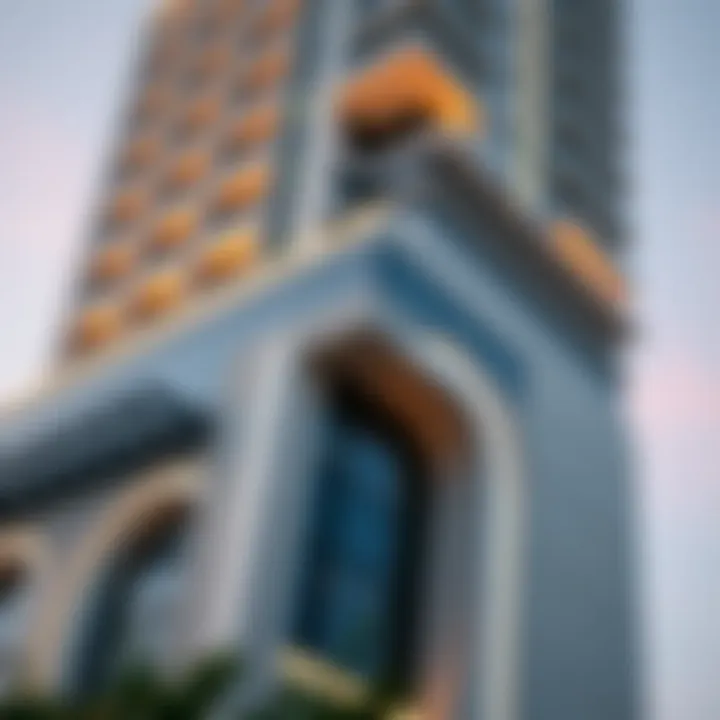
The Al Razooqi Building represents more than just bricks and mortar in the thriving metropolis of Dubai. This iconic structure serves as a pivotal hub, influencing the real estate scene in manifold ways. With an architectural design that captivates the eye and a strategic location that draws in investors, it stands as a beacon within the competitive market.
For those looking to invest or make a home in Dubai, understanding the role of such key buildings is crucial. Insights into the market trends, economic factors, and neighborhood dynamics surrounding Al Razooqi offer valuable context not only for seasoned investors but also for newcomers navigating the complexities of this vibrant city.
In the sections that follow, an in-depth exploration will unveil the standout features of the Al Razooqi Building, its investment potential, and its cultural impact on Dubai’s urban landscape. The aim is to arm readers with knowledge that serves their interests—whether in buying, selling, or simply learning more about Dubai's ever-evolving real estate landscape.
Intro to Al Razooqi Building
In a city defined by its dazzling skyline and relentless growth, the Al Razooqi Building emerges as a pivotal element of Dubai's evolving real estate narrative. This section sets the stage for understanding not just the physical structure, but the myriad ways it resonates with investors, residents, and regional development alike.
Overview of the Building
The Al Razooqi Building stands out not only for its architectural elegance but also for its strategic significance within Dubai’s urban fabric. With a facade that combines contemporary style with cultural nods, the building is more than just a place to work or live; it embodies the aspirations of a sundry populace seeking both luxury and accessibility.
The building houses various commercial entities, featuring office spaces that cater to startups and established businesses alike. This blend of functionality and modern amenity draws in a clientele that values both prestige and practicality. Over time, the Al Razooqi Building has become a hallmark of stability and opportunity in Dubai’s high-stakes real estate market.
Historical Context
To fully appreciate the place of the Al Razooqi Building in today’s architectural and financial landscape, it's crucial to consider its history. Established during a period of rapid development in Dubai, this building has weathered various market fluctuations—each time emerging not just intact but often enhanced.
A glance at its inception reveals insights into the broader economic trends of the region. As Dubai transformed from a modest trading port to a global powerhouse, buildings like Al Razooqi rose to reflect both the ambitions of investors and the dreams of residents. Understanding this historical timeline underscores the building’s role as a bridge between the past and the future, showcasing how real estate can shape a community’s identity.
"In Dubai, real estate isn't just about bricks and mortar; it's about crafting a living history that reflects the aspirations of its people."
Investors looking at the Al Razooqi Building should note how its storied past contributes to its current allure and potential for future growth. This blend of historical gravitas and contemporary necessity is what makes the Al Razooqi not just a structure, but a crucial player in Dubai's real estate landscape.
Architectural Features
The architectural features of the Al Razooqi Building are not just about aesthetics; they highlight a blend of functionality and thoughtfulness that captures the essence of modern Dubai. This section moonlights as a stage where architectural innovation dances with economic viability, solidifying the position of the Al Razooqi Building within the competitive landscape of Dubai’s real estate market. A well-thought-out design does wonders, influencing not only the appearance but also operational efficiency and appeal to tenants and investors alike.
Design Philosophy
When diving into the design philosophy of the Al Razooqi Building, it becomes quite evident that it isn't just brick and mortar but a vision brought to life. Inspired by the natural surroundings and urban landscapes of Dubai, the design showcases fluid shapes and lines that evoke movement and dynamism. This approach provides a sense of continuity with both the sky and the earth.
One key aspect is the building’s orientation, which maximizes natural light while minimizing heat exposure—an essential consideration in the hot desert climate. This design strategy aims for a responsible balance between striking beauty and practicality, enhancing the everyday experiences of those who inhabit it. The interplay of form and function echoes through both public and private spaces, catering to a variety of uses, from retail on the lower levels to offices above. This signifies an inclusive atmosphere that aligns with contemporary workplace trends.
Sustainable Building Practices
In a world growing increasingly aware of environmental issues, the Al Razooqi Building embraces sustainable building practices that not only contribute to its operational longevity but also signal a deeper commitment to the Earth. The integration of energy-efficient systems and sustainable materials is pivotal. Solar panels gracing the rooftop and rainwater harvesting systems mean that the structure doesn’t just occupy space but contributes positively to its environment.
Moreover, incorporating green spaces within the building’s design promotes biodiversity. The landscaping isn’t just for show; it serves as a natural air filter, enhancing urban living. Investors and prospective tenants are more inclined to appreciate a property that echoes ecological responsibility, given the rising trend toward sustainable investment.
Interior Design Elements
Stepping inside the Al Razooqi Building, one is greeted with an interior that reflects careful thought given to both aesthetic appeal and user comfort. The choice of materials—think natural woods, rich fabrics, and muted tones—creates an atmosphere of understated luxury. Open layouts complement the building's exterior design, promoting a seamless flow from one area to another. The lobby, for instance, offers a welcoming space that’s as functional as it is beautiful, featuring art installations from local artists that enhance community ties.
The versatility of the interior allows for various configurations, accommodating the specific needs of different businesses and tenants. This aligns it with the modern ethos of workspace fluidity, where adaptability is key. The consideration for acoustics and soundproofing further illustrates a dedication not only to design but also to the comfort of its occupants.
Location Analysis
The significance of location cannot be overstated, especially when it comes to real estate. In the context of the Al Razooqi Building, its location analysis reveals a myriad of advantages that commonly attract both investors and homebuyers. Understanding the dynamics of its geographical positioning sheds light on its appeal to various stakeholders in Dubai's competitive market.
Accessibility and Transportation


Accessibility is a critical factor that defines the desirability of any property and it becomes a cornerstone when examining the Al Razooqi Building. Nestled within a well-connected part of the city, residents can enjoy quick access to major highways. For instance, Dubai’s Sheikh Zayed Road is just a short drive away, which is a major commuting route for many. Not only does this enhance daily commuting, but it also links the building to key districts seamlessly.
Public transportation options are abundant as well. The building is in close proximity to metro stations, which cater to those who prefer not to drive. This availability greatly reduces the hassle of using personal vehicles, which is a hot commodity in a bustling city like Dubai. Furthermore, buses serving various routes conveniently stop nearby, ensuring that different demographics can find a practical way to navigate around the city. In summary, the strategic location of the Al Razooqi Building ensures that residents and businesses have substantial connectivity.
Proximity to Commercial Hubs
Another significant element in location analysis is the proximity to commercial hubs. The Al Razooqi Building is strategically positioned amidst some of Dubai’s thriving business districts.
- Business Bay: Just a stone's throw away, this area is packed with corporate offices and residential buildings, making it ideal for professionals who seek quick access to work.
- Downtown Dubai: This iconic hub is close by, where key landmarks like the Burj Khalifa and Dubai Mall entice both tourists and locals. Such attractions offer potential foot traffic, which enhances the value of any property in the vicinity.
- Dubai International Financial Centre (DIFC): Only a short distance away, DIFC serves as a hub for finance and business. This proximity can attract business professionals and investors, further cementing the Al Razooqi Building as a prime real estate option.
The building’s location offers both residential benefits and commercial opportunities that appeal to a diverse range of individuals, thus strengthening its investment potential.
Neighborhood Characteristics
Understanding the neighborhood characteristics surrounding the Al Razooqi Building offers a deeper insight into what life is like in this area. The vicinity is not merely a collection of properties, but rather a vibrant community that enhances the living experience.
- Amenities: Residents enjoy convenient access to shops, restaurants, and essential services, making day-to-day living quite enjoyable. Supermarkets and local markets are within walking distance – no need to trek miles for groceries.
- Recreational Spaces: Parks and leisure facilities dot the landscape, providing natural spaces for relaxation and hobbies. These amenities often attract families looking to settle down in a place that values family and wellness.
- Cultural Vibe: With a blend of expatriate cultures and local traditions, the neighborhood exudes an international flair while remaining deeply rooted in local customs. This makes the community rich in diversity, fostering a welcoming atmosphere for newcomers.
In essence, the neighborhood surrounding the Al Razooqi Building contributes enormously to its overall attractiveness. It’s not merely about the building itself, but about the lifestyle it offers and the community with which residents can engage.
Market Trends Affecting Al Razooqi Building
Understanding market trends is crucial when examining the Al Razooqi Building’s role in Dubai's dynamic real estate landscape. These trends not only shape investor expectations but also influence buyer behaviors and developmental strategies. The nuances of the current market offer insights into how properties like the Al Razooqi Building maintain their value and relevance in a bustling environment.
Current Real Estate Trends in Dubai
Dubai's real estate market, often seen as a bellwether for stability and opportunity in the region, is characterized by several significant trends.
- Post-Pandemic Recovery: There has been a noticeable bounce-back since the pandemic, with a surge in property transactions. Many international buyers are returning, seduced by the favorable climate and lifestyle.
- Luxury Segment Growth: The appetite for luxury properties is robust. High-net-worth individuals are drawn to offerings that promise exclusivity and premium features, which places the Al Razooqi Building squarely in the crosshairs of this trend.
- Technological Integration: Smart technology integration in buildings is not just a novelty anymore; it’s a necessity. Properties providing this tech-forward approach attract more interest. Al Razooqi Building’s features could benefit significantly from embracing this trend to enhance its appeal.
- Sustainability: There's a growing concern for sustainable living, and buyers increasingly favor buildings with green certifications. This trend is reshaping the types of properties that command a premium, which is a consideration for the future of the Al Razooqi Building.
Overall, these trends create a compelling narrative about the real estate landscape in Dubai, which informs potential investors and homeowners about what to expect moving forward.
Investment Opportunities
Investing in the Al Razooqi Building represents not just acquiring real estate but embracing a slice of Dubai's ambitious economic vision. Several factors drive the attractiveness of this option:
- Strategic Location: Its proximity to major commercial centers enhances the chances of it maintaining strong demand.
- Rental Yields: Properties in Dubai often yield competitive returns, with the Al Razooqi Building being positioned to benefit from this. Investors often seek properties with high rental yields, and given the demand in the area, this can be promising.
- Government Initiatives: Various initiatives to boost foreign investment, including long-term visas for investors, also add to the allure. This opens doors for new residents and business owners who can specifically immerse themselves in the community surrounding Al Razooqi.
- Market Diversification: Dubai’s market is diversifying beyond luxury and into more affordable segments. An investor's portfolio diversification could potentially include the Al Razooqi Building, given its adaptable appeal across different market tiers.
"Investing in real estate is not just about the building, it's about the ecosystem that surrounds it. The Al Razooqi Building is well-positioned in Dubai's thriving marketplace, tapping into multiple investor interests."
Future Development Prospects
Looking ahead, opportunities for future development in and around the Al Razooqi Building are quite substantial.
- Urban Expansion: As Dubai continues its growth trajectory, more developments are expected in the vicinity, enhancing infrastructural efficiency and quality of life. This is likely to create a ripple effect that benefits the existing properties.
- Technological Upgrades: As mentioned earlier, the demand for technology integration will only increase. Future enhancements in this area could make the Al Razooqi Building more appealing to tech-savvy tenants.
- Sustainability Initiatives: Future sustainable initiatives by the government or private sector could elevate the building's appeal if it aligns with such developments. Any improvements in sustainability measures may also enhance its attractiveness as a sound investment.
- Regulatory Changes: Keeping an eye on potential government policy changes can also provide insights into the longevity and stability of investments in Al Razooqi. Regulatory support geared toward real estate protection can bolster investor confidence.
In sum, the Al Razooqi Building stands at a pivotal crossroads shaped by current market trends, promising investment opportunities, and robust future prospects, all geared towards maintaining its significance in Dubai's vibrant real estate landscape.
Regulatory Environment
Navigating the regulatory landscape is a crucial aspect of engaging with the Al Razooqi Building, especially for investors and homebuyers. Dubai's real estate market has its unique set of rules and guidelines that govern transactions, ownership, and property development. Understanding these regulatory frameworks can significantly influence investment decisions and outcomes.
Real Estate Laws in Dubai
The legal framework for real estate in Dubai is both comprehensive and intricate. The Real Estate Regulatory Agency (RERA), part of the Dubai Land Department, is at the helm of this framework, ensuring transparency and fairness in property dealings. Here are some key laws that govern the real estate sector in Dubai:
- Law No. 7 of 2006: This law pertains to the regulation of real estate and focuses on the protection of property buyers, ensuring they are treated fairly. It mandates the registration of all real estate transactions, which adds a layer of security for buyers.
- Strata Law: This law governs joint ownership properties, allowing for the establishment of owners' associations that manage shared spaces within developments. Such governance ensures that all parties have a say in how their property is managed.
- Law No. 5 of 1985: It regulates property ownership and rental agreements, setting forth the rights and obligations of landlords and tenants, and outlines processes for disputes.
The importance of these laws cannot be overstated. They protect not just the rights of the property owners but also the interests of investors. However, it is imperative for potential buyers to familiarize themselves with these laws to avoid pitfalls.
Implications of Ownership Structures
Ownership structure plays a pivotal role in how real estate investments unfold in Dubai. Investors must understand their options:
- Freehold vs. Leasehold: Dubai allows foreign investors to buy freehold properties in designated areas, while leasehold ownership could limit buyers to 99-year leases. Freehold ownership provides clear titles, allowing buyers to enjoy full ownership rights.
- Joint Ventures: In some cases, foreign investors might enter into joint ventures with local partners to navigate the market more effectively. This can provide enhanced opportunities but also requires trust and clear agreements to avoid disputes.
- Real Estate Investment Trusts (REITs): Investing through REITs offers a way to access the property market with lower capital requirements, allowing for diversified investment across multiple properties. This structure can simplify regulatory compliance and provide liquidity.
Understanding how these structures work can significantly impact profitability and legal standing. Investors should seek advice to tailor their ownership approach according to their objectives and risk tolerance.
"Navigating through Dubai’s regulatory environment can be tricky, but a clear understanding of real estate laws and ownership structures can turn potential hurdles into profitable pathways."
In summary, a thorough grasp of the regulatory environment can provide critical insight for anyone interested in the Al Razooqi Building and Dubai's real estate scene. With clear laws and varied ownership options, investors can strategically position themselves in this vibrant market.
Tenant and Owner Perspectives
Understanding the viewpoints of both tenants and property owners provides a comprehensive lens through which to evaluate the Al Razooqi Building's position in Dubai’s real estate landscape. The dynamics between these two groups reveal significant insights into the operational and social fabric of the building. It's crucial to assess the underlying motivations for living in or investing in this property, as well as the challenges they might face.
Experiences of Current Residents
Residents often regard a home as more than just a roof over their heads; it’s a sense of belonging, comfort, and lifestyle preserved within its walls. Current tenants of Al Razooqi Building seem to have an overwhelmingly positive sentiment towards their living circumstances. Many appreciate the proximity to essential amenities like supermarkets, educational institutions, and recreational parks. The neighborhood offers a blend of urban and serene elements, which caters to various lifestyle preferences.
Moreover, security and a community feel are aspects residents frequently praise. Having a stable and secure environment enhances the living experience, making the building a compelling choice for families as well as young professionals. Tenant feedback highlights the efficient maintenance and responsive management team that addresses concerns promptly, fostering a sense of community. For those looking to rent in Dubai, the experiences shared by these residents not only enhance the building’s appeal but significantly influence potential tenants’ decisions.
"Living here feels like a community. It's not just a building to me; it’s part of my life, my home."
— A current resident of Al Razooqi Building, expressing their sentiments about community vibe.
Attractiveness to Potential Investors
From an investor's viewpoint, the Al Razooqi Building shines brightly in Dubai’s competitive real estate market. Its favorable location and robust design components attract both domestic and international investors looking to capitalize on Dubai's ongoing growth. The increasing demand for residences in the city, paired with the building's unique features, enhances its credibility as a worthwhile investment.
The following points outline the various angles of attraction:
- Location Advantage: The building's strategic location near vital commercial hubs makes it an appealing proposition for investors. Accessibility to transport networks, coupled with being a stone’s throw away from key city attractions, creates promise for long-term value appreciation.
- High Demand for Rental Properties: Given the influx of expatriates and business professionals moving to Dubai, demand for rental properties is on the rise. This inflow ensures a steady income stream for investors.
- Potential for Future Developments: With ongoing urban development in nearby areas, there’s potential for property appreciation. Investors are keen on how the surrounding infrastructure upgrades could elevate value.
- Sustainable Design Features: The trend in the market is shifting towards environmentally friendly constructions. Buildings like Al Razooqi that incorporate sustainability features can see increased desirability among investors looking to adhere to this new norm.
In summary, the perspectives of tenants and owners reveal a multifaceted narrative of the Al Razooqi Building, serving as a testament to its pivotal role in the Dubai real estate landscape. Understanding the motivations, experiences, and investment potentials helps in painting a complete picture of its significance.
Impact on Local Economy
The Al Razooqi Building stands as more than just a towering structure in Dubai. It plays an active role in shaping the local economy, influencing various sectors and communities in the process. The building’s significance can be attributed to its contribution to the GDP and the multitude of employment opportunities it generates. In this section, we will delve into these two critical aspects, examining how they intertwine with Dubai's broader economic landscape.
Contribution to GDP
The Al Razooqi Building is a noteworthy contributor to Dubai's Gross Domestic Product (GDP). This contribution is not merely through the building’s existence, but more so through its functional space that houses numerous businesses and services. Each tenant, from retail outlets to corporate offices, creates economic activity that feeds into the larger economic framework of the city.
- Commercial Rentals: The revenue generated from commercial leases contributes significantly. When businesses thrive in the Al Razooqi Building, they not only benefit from a prestigious address but also funnel profits back into the economy.
- Tax Revenue: With these businesses operational, the government benefits from increased tax revenues. This revenue can then be reinvested into various communal and infrastructural projects, which further stimulates economic growth.
- Real Estate Value: Efficiently connected to major commercial hubs, the building elevates the surrounding property values, thus increasing overall investments within the area. Higher property values lead to higher tax income for the local government, a crucial factor for economic expansion.
Given these points, it’s clear that the Al Razooqi Building plays a vital part in buoying Dubai's economy through direct and indirect channels. As businesses flourish within its walls, so too does the economic framework surrounding it.
Employment Opportunities
Job creation is another significant impact stemming from the Al Razooqi Building. Its multi-functional purpose opens the door for a diverse range of employment avenues.
- Direct Employment: Businesses operating in the building provide jobs not just for the skilled workforce but also for entry-level positions. Be it administration, sales, or management, there are roles available for various skill levels. Each newly created job contributes to lowering the unemployment rate in Dubai, which is crucial for economic stability.
- Indirect Employment: The ripple effect is palpable. When businesses hire, they often need additional services—cleaning, maintenance, catering—all of which create more jobs in related sectors. This amplification demonstrates the building’s role in furthering employment opportunities beyond its immediate environment.
- Training and Development: The presence of diverse businesses creates demand for specialized training and workshops, boosting local educational and vocational programs. This emphasis on skill development creates a more competitive workforce, which ultimately benefits the economy.
"Employment opportunities spur from the blend of business growth and relevant services anchored at the Al Razooqi Building."
Cultural Significance
Understanding the cultural significance of the Al Razooqi Building serves as a vital component in grasping the overall impact it has on Dubai's real estate landscape. This building represents more than just bricks and mortar; it embodies a blend of modernity with tradition, showcasing how contemporary architecture can be interwoven with the rich cultural tapestry of the area.
Influence on Community Identity
The Al Razooqi Building plays a crucial role in shaping the identity of its surrounding community. By its mere presence, the building becomes a point of reference, a nod to the ambitions of residents and visitors alike. It hosts activities that foster community engagement, from art exhibitions to local markets. Such initiatives not only promote local artists and entrepreneurs but also create a sense of belonging—something that encourages individuals to identify with a place.
Residents often speak of the pride they feel when discussing the building. With its striking architecture, it's easy to feel connected to a culture that values innovation while honoring its past. In fact, many locals refer to it as a “beacon of modern living” that embraces the essence of Dubai’s rapid transformation. This contributes to a cultural narrative that accentuates the uniqueness of the area, thereby enriching the community’s overall identity.
Integration with Local Heritage
The Al Razooqi Building stands as a testament to Dubai’s commitment to preserving its cultural heritage while making strides towards modernization. This integration can be seen in its design elements, which often reflect traditional motifs and materials, marrying past with present seamlessly. By employing local craftsmen and artists during its construction, the building not only supports the local economy but also ensures that its architectural features resonate with the cultural aspects of the community.
In a city that is constantly evolving, the Al Razooqi Building serves as a bridge; it's where tradition meets innovation. Visitors and residents alike are often struck by the way the building complements the surrounding historical sites. This strategic positioning encourages appreciation for the locale’s heritage, inviting a dialogue between the new and the old, which is paramount for sustaining cultural identity in such a rapidly changing environment.
"The true beauty of the Al Razooqi Building lies not only in its structure but in its ability to narrate the journey from the past to the future for the community it serves."
In essence, the building stands as a cultural landmark, reminding us of the importance of respecting and integrating local heritage into contemporary lifestyles. It is a constant reminder for investors and homebuyers alike that the value of a property is not just in its financial returns, but also in its ability to forge connections and contribute to the social fabric of Dubai.
Challenges Facing Al Razooqi Building
Understanding the challenges facing the Al Razooqi Building is paramount for anyone looking to make informed decisions in Dubai's vibrant real estate market. These challenges can influence both the current state of the property and its potential future growth. Investor sentiment, tenant experiences, and market trends can easily shift, making it essential to dissect both present and potential hurdles.
Market Volatility
Market volatility is an unpredictable beast, especially in a fast-paced landscape like Dubai's real estate sector. A surge in market prices can be quickly met with steep declines, often influenced by geopolitical factors, economic shifts, and even global health crises such as the recent pandemic. The Al Razooqi Building is not immune to such fluctuations. In periods of downturn, properties in prime locations, despite their inherent value, can see occupancy rates drop, impacting revenue generation.
Moreover, potential investors may be hesitant to enter the market fearing the existing volatility, leading to reduced interest in properties like Al Razooqi. This hesitation can trigger a domino effect, leading to lower prices and stagnation, which can be contradictory to the building's established reputation. Keeping a pulse on market trends and understanding the nuances of property valuation is critical. As the saying goes, "What goes up must come down," and in real estate, that maxim rings true all too often.
Management Issues
Effective management is the cornerstone of any successful real estate venture, and the Al Razooqi Building is no exception. Management issues can manifest in various ways: tenant relations, maintenance oversight, and budget allocation can all turn a promising property into a source of chronic headaches.
Tenant dissatisfaction can arise from inadequate response times to maintenance requests or lack of communication regarding policies. If management falls short, it’s easy for tenants to become disgruntled, leading to increased turnover and vacancies. Landlords need to be attentive; after all, a happy tenant is a retained tenant. It’s often the small things, such as reliable service and a sense of community, that keep residents from looking elsewhere.
Additionally, poor financial management can lead to misallocated resources, affecting the quality of both building management and the overall tenant experience. Investors need to keep a wary eye on these aspects because any slippage in management standards can tarnish the property’s reputation. Proper training for staff and effective maintenance plans can mitigate many of these risks, but it requires dedication and foresight.
"The foundation of a successful building isn't just concrete and steel; it's also how well you manage the people and resources within it."
In summary, while Al Razooqi Building stands out for its architectural beauty and strategic location, it’s essential for investors and buyers to be fully aware of the challenges that accompany it. Addressing these concerns proactively can set a path for success in a fluctuating real estate environment.
Ending
The conclusion serves as a crucial point in wrapping up the extensive discussions about Al Razooqi Building's position in Dubai's real estate landscape. It distills the findings and insights gathered throughout the article, emphasizing the multifaceted nature of the building. This section invites the reader to consider how architectural brilliance, strategic location, and economic implications intertwine to enhance the building's standing in an ever-evolving market.
Summary of Findings
To summarize key insights, Al Razooqi Building stands out not just due to its striking design but also for its economic relevance.
- Architectural Mastery: The building’s design reflects a blend of modern requirements with local traditions, marking a significant statement in Dubai’s skyline.
- Investment Viability: Current market trends indicate a robust demand for properties in the area, prompting favorable investment conditions.
- Community Integration: The building not only serves as a commercial hub but also contributes to Dubai’s cultural framework, thus highlighting its dual role.
These nuanced elements underscore the fact that Al Razooqi Building is not merely a structure but a vital cog in Dubai's economic and cultural machinery.
Future Outlook for Al Razooqi Building
Looking ahead, the future of Al Razooqi Building appears promising, with several dynamics at play. Factors such as ongoing infrastructural improvements and local economic policies aim to foster more opportunities.
- Sustained Growth: Experts predict sustained growth in the real estate market of Dubai. Al Razooqi Building is well-positioned to benefit from this trend.
- Adaptation: As market demands shift, the building's management has shown a willingness to adapt, whether it be through upgrades or embracing technological advancements.
- Increased Footfall: Anticipated population growth and rising tourism figures in Dubai suggest a steady inflow of potential renters and businesses, amplifying interest in the property.