Understanding Ramadan in the UAE: Dates and Significance
Intro
Ramadan, a month steeped in deep spirituality and cultural importance, is more than just a fasting period for Muslims; it’s a time of reflection, community bonding, and economic fluctuations, especially in the UAE. As the crescent moon appears to signal the start of this sacred month, it brings along a wave of emotions, traditions, and adaptations in everyday life for countless residents and citizens. 2023 marks an interesting year for Ramadan, with a unique interplay of local customs and global influences enhancing its significance.
In the UAE, this period becomes a harmonious blend of ancient traditions and modern lifestyles, where the rich tapestry of culture thrives amidst the hustle and bustle of city life. Downtown Dubai and the vibrant souks echo the essence of Ramadan, showcasing not only the religious commitments but also hinting at how society adjusts to accommodate spiritual practices amid the demands of contemporary life. As the sun sets, families gather to break their fasts, while communal iftars bring neighbors together to share meals, memories, and more.
This article aims to peel back the layers of Ramadan in this region, illuminating the essential aspects of its observance, and spotlighting the changes it brings to lifestyle, commerce, and social interactions.
As we venture deeper into the heart of Ramadan, we will also touch upon the impact this holy month has on sectors like real estate and retail. With the increased social gatherings and heightened spending, understanding these nuances can shed light on investment opportunities and market trends that are likely to shape the economic landscape during this period.
Let's dive into key insights to prepare us for a thorough exploration the significance and intricacies of Ramadan in the UAE.
Preamble to Ramadan
Ramadan, the ninth month of the Islamic lunar calendar, holds great significance for millions of Muslims worldwide, particularly in the United Arab Emirates (UAE). This holy month is not merely a time for fasting; it is a period rich in culture, spiritual reflection, and social unity. Understanding Ramadan is crucial for anyone wishing to engage meaningfully with the diverse communities that reside in the UAE. Through this introduction, we will explore the essence of Ramadan, its deep-rooted customs, and the communal spirit it nurtures among the people.
Significance of Ramadan
Ramadan represents much more than abstaining from food and drink from dawn till dusk. This month serves as a reminder of the values of compassion, empathy, and self-control. The act of fasting deepens one's awareness of the struggles of the less fortunate. It is believed that during Ramadan, the Quran was revealed to the Prophet Muhammad, which highlights its spiritual weight.
This sacred month encourages spiritual growth. Fasting during this time is seen as an act of worship, drawing believers closer to their faith. The practice fosters a sense of discipline that's not only about food, but also about refraining from negative thoughts and actions. Furthermore, Ramadan is a time when family ties are strengthened and communities come together, reflecting the collective ethos of society.
Ramadan's Influence in UAE
In the UAE, Ramadan has a profound impact on social, cultural, and economic activities. The nation, with its blend of tradition and modernity, observes this sacred month with remarkable fervor. From bustling markets to tranquil mosques, the atmosphere transforms during Ramadan.
- Charitable Giving: The cultural emphasis on charity peaks, aligning with the concept of Zakat (almsgiving), where many choose this month to give back to those in need.
- Social Gatherings: Families and friends come together for Iftar, the meal breaking the fast each evening, promoting social cohesion.
- Public Events: Cultural activities, such as art exhibits and community celebrations, emerge during this time, allowing individuals to engage and learn from one another.
Ramadan shapes the very fabric of life in the UAE, influencing work schedules, retail opportunities, and public behavior. The observance of this month not only enriches the lives of those who practice Islam but also invites interest and participation from individuals of diverse backgrounds, creating a sense of unity and understanding.
"Ramadan is the month of mercy, the month of generosity, and the month of helping others."
Overall, comprehending Ramadan's cultural significance provides insight into the spirit that defines the UAE's society and enhances the country's appeal as a vibrant hub for investors, homebuyers, and cultural enthusiasts alike.
Timeline of Ramadan in
The timeline of Ramadan in 2023 holds immense importance within the framework of this article. Understanding the sequence of events during this sacred month can enlighten readers about the rhythm and cadence of daily life, community involvement, and cultural practices in the UAE. Ramadan serves as a profound period of reflection, unity, and spiritual connection in the UAE, significantly impacting both personal behavior and broader societal norms. Knowing the key dates and traditions tied to this month not only helps in planning for events and gatherings but also enhances the appreciation of the rich cultural tapestry that Ramadan weaves within the fabric of Emirati society.
Expected Start Date
In 2023, Ramadan is anticipated to begin on the evening of Wednesday, March 22, depending on the sighting of the moon. The precise date of the start of Ramadan can only be confirmed by the sighting of the crescent moon at sunset. This highlights an interesting aspect of the Islamic calendar; it is lunar and can vary based on the geographical location and local astronomical conditions. The sighting tradition is steeped in cultural significance as it marks the transition into a month-long observance characterized by fasting and prayer.
Moon Sighting Tradition
The moon sighting tradition occupies a pivotal role in the commencement of Ramadan. Families and communities often gather in hopes of catching a glimpse of the crescent moon in the evening sky. This practice is not merely a religious formality; it embodies a sense of community spirit and togetherness. In the UAE, the Government’s Islamic affairs departments usually announce the official start of Ramadan soon after the moon sighting is confirmed.


"The sighting of the moon is like gathering the community under one shared experience, uniting diverse cultures in the UAE."
Additionally, modern technology plays a role in this tradition, with announcements often shared via social media platforms and news agencies. However, many still uphold the practice of going outdoors with family and friends to carry on an age-old custom that emphasizes cultural heritage and social ties.
Possible Variances in Dates
One must consider that possible variances in dates can arise from different methods of moon sighting. While the majority of Islamic countries and communities may align their start date, variations can still occur. This is due to different regions relying on local astronomical calculations versus direct sighting. Moreover, factors such as weather conditions, geographical positioning, and varying interpretations of religious guidelines can lead to a divergence in the observed start of Ramadan.
For those living in the UAE, staying informed about announcements from local authorities can provide clarity. This nuance in the timeline of Ramadan is essential, as it influences not only the expectations of the fasting month but also preparations for communal events and early morning prayers.
Understanding these elements enhances the knowledge of how Ramadan unfolds in the UAE, creating a framework that guides both spiritual and social interactions during this holy period.
Customs and Practices During Ramadan
Ramadan is a time steeped in rich traditions and practices, especially in the UAE. These customs not only enhance the spiritual experience but serve as a link between generations, instilling values of community, empathy, and gratitude. During this holy month, the essence of Ramadan manifests itself in various practices, each holding significant meaning.
Fasting and Its Importance
Fasting, or Sawm, stands at the heart of Ramadan. For Muslims, abstaining from food and drink from dawn until sunset symbolizes much more than mere abstention; it is a profound way of achieving spiritual clarity and compassion toward those less fortunate. Fasting is also an expression of self-discipline and sacrifice, allowing one to connect deeply with their faith.
The act of fasting is often regarded as a means of purifying the soul and reflects a communal responsibility to care for others. In the UAE, this practice is embraced by individuals of all ages. Schools, businesses, and families come together to support each other through this period, fostering an environment filled with understanding and respect for those who are fasting.
Iftar Traditions
When the sun sets, the day’s fast concludes with Iftar, the evening meal. The breaking of the fast is typically marked by the ringing of a bell or the chanting of the adhan, calling everyone to gather for this communal event. Traditionally, dates and water are the first consumed items, symbolizing the Prophet Muhammad’s practice.
Iftar is a vibrant affair, celebrated with family and friends. Many local restaurants and hotels offer lavish buffets filled with an array of dishes - from hearty stews to sweet desserts like Kunafa and Baklava. The hospitality and generosity during Iftar reflect the UAE’s commitment to community spirit. Those who can often host Iftar for friends, neighbors, and the less fortunate, reinforcing bonds and spreading joy.
Here are some key highlights of the Iftar customs in the UAE:
- Communal gatherings in public spaces, parks, and courtyards, where large groups break their fast together.
- Special Iftar tents that serve traditional foods and drinks.
- Focus on serving traditional Emirati dishes, connecting with cultural heritage.
Taraweeh Prayers
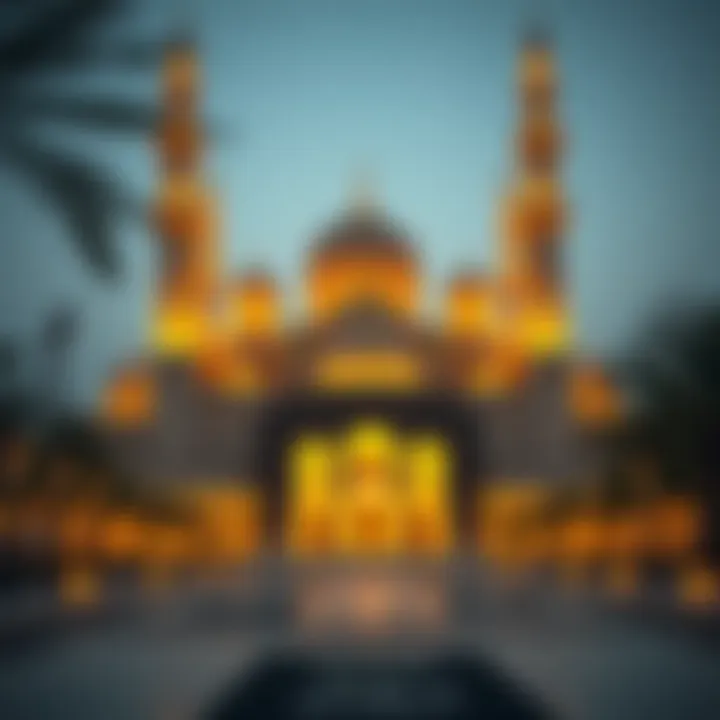
The Taraweeh prayers are an essential part of nightly worship during Ramadan. These prayers, performed in congregation after Isha (the night prayer), allow individuals to engage with their faith more deeply. In the UAE, mosques are often filled to the brim, creating a sense of unity and shared devotion among worshippers.
The experience of Taraweeh is marked by the recitation of the Quran, with the aim of completing its recitation by the end of the month. This commitment doesn't just foster a deep connection with Islamic text but also promotes a sense of accomplishment and spiritual growth.
The atmosphere in mosques is truly unique; the dim lights, soft voices reciting in unison, and the palpable spirit of community enhance this sacred experience. Here’s a glimpse into the importance of Taraweeh:
- Connection: It strengthens the bond not just with God, but also with fellow congregants.
- Reflection: Offers moments of reflection and self-awareness, contributing to personal growth.
- Inclusiveness: Invites individuals of all backgrounds to engage with the practices of the community, fostering understanding and togetherness.
"Ramadan is not just a month of fasting, but a beautiful opportunity for spiritual rebirth and community connection."
These customs and practices encapsulate the essence of Ramadan in the UAE, providing a fertile ground for fostering relationships and deepening one's faith. During this month, the UAE beautifully juxtaposes tradition and modernity, blending cultural richness with communal values.
Cultural Events and Activities
Cultural events and activities during Ramadan serve as crucial touchstones of community spirit and shared values within the UAE. This period is not merely about fasting; it embodies a broader cultural and social fabric that binds families and neighbors. Participating in these events brings an added layer of depth to the Ramadan experience, often fostering camaraderie and understanding among diverse communities.
Community Gatherings
One of the highlights of Ramadan in the UAE is the community gatherings that spring up throughout the month. These events typically take place during Iftar, the meal that breaks the fast at sunset.
- Iftar Tents: Many organizations and private citizens set up Iftar tents in public spaces, open to all, regardless of background. This act of hospitality is profoundly significant as it reflects the cultural norms of generosity and charity. People from various walks of life come together, sharing meals and connecting with one another in ways that transcend everyday divisions.
- Community Iftars: Municipalities often organize large communal Iftars where thousands gather to share food and prayers. It's commonplace to witness families, including expats, joining local Emiratis in these gatherings. These gatherings symbolize unity and are a way to foster goodwill among neighbors— it’s like breaking bread together, creating a shared moment that is both nourishing and spiritually fulfilling.
"In the spirit of togetherness, Ramadan’s community gatherings are more than just shared meals; they are moments when humanity shines, illuminating the common threads of life."
Charitable Endeavors
Charity takes center stage during Ramadan, aligning with the month’s ethos of compassion and giving. The UAE is known for its strong commitment to philanthropy, and this spirit is palpable during the holy month.
- Zakat and Charity Drives: Many individuals and organizations actively engage in charitable initiatives, such as organizing food drives for those in need. It is common to see boxes for food donations at supermarkets and mosques, encouraging people to contribute. Each small act counts, and together they create a significant impact in the community.
- Volunteer Opportunities: Numerous charities and non-profits seek volunteers to help distribute iftar meals and aid to families struggling financially. This engagement allows people—whether locals or expatriates—to contribute directly to their communities, forging a sense of belonging and shared purpose.
Culinary Highlights
Food plays a central role during Ramadan, and the UAE boasts an impressive array of culinary experiences to explore during this time.
- Traditional Dishes: Iftar tables are laden with an assortment of delicacies, each telling a story of heritage and tradition. Popular dishes such as harees, falafel, and samboosa become staples, bringing families together to savor these flavors.
- Food Festivals and Ramadan Nights: Many cities host Ramadan food festivals where food stalls showcase not just traditional Emirati cuisine but also international fare, thanks to the UAE's multicultural population. These festivals often turn into vibrant cultural exchanges, offering authentic tastes from various regions.
- Sweet Treats: The end of the meal often includes dates, qamar al-din (apricot juice), and knafeh, a dessert that's as popular as it is sweet. These items not only add to the festive atmosphere but serve as markers of the cultural identity of Ramadan in the UAE.
Exploring these culinary highlights becomes a delightful experience, one that enhances the festive nature of Ramadan.
In essence, cultural events and activities during Ramadan in the UAE intertwine community spirit, charitable deeds, and culinary delights, making this month a profoundly meaningful time for everyone involved.
Impact on Daily Life in the UAE
Ramadan brings forth a unique transformation in the rhythm of daily life across the UAE, influencing everything from work hours to social interactions. Understanding this impact is vital not just for locals but also for expatriates, businesses, and potential investors. The various adjustments during the holy month signal a commitment to both spiritual reflection and community, shaped by the cultural fabric of the nation.
Changes to Work Hours
During Ramadan, the schedule for businesses, government offices, and educational institutions undergoes notable shifts. Most firms adjust their working hours, reducing them to accommodate fasting. Typically, the workday is condensed to six hours, ending around 3 PM instead of the usual 5 PM or later. This alteration helps employees manage their fasting routines with greater ease, ensuring they can break their fast on time and engage in spiritual practices.
It’s worth highlighting that many organizations actively promote flexibility during Ramadan. Some companies allow employees to choose their hours, encouraging a healthy work-life balance. Innovative practices such as remote work options or staggered hours are also considered by many firms to accommodate the diverse needs of their workforce. This responsiveness fosters a more understanding workplace atmosphere, enhancing productivity and employee morale.
Adjustments in Retail and Dining
The retail landscape also adapts significantly in response to Ramadan. Shopping centers often extend their hours, remaining open late into the night to cater to those enjoying socializing post-iftar. Special promotions and festive decorations take center stage, encouraging leisurely buying experiences.
Restaurants typically close during daylight hours, but many open for iftar, offering rich meal options to break the fast. Traditional dishes such as dates, lentil soup, and biryani become stars on menus, often presented with a communal spirit, inviting families and friends to gather.
It’s not uncommon for eateries and cafes to host special events featuring live cooking demonstrations or iftar buffets, catering to families and groups wishing to enjoy a shared meal. These changes not only enrich the dining experience but also promote community bonding.
Transportation Modifications


With shifts in work and dining hours, transportation patterns also change during Ramadan. Public transport services adjust their schedules, with buses and metro lines operating longer hours to accommodate late-night shoppers and night owls enjoying the Ramadan atmosphere. Traffic patterns typically see an uptick around iftar time as people head home or to gatherings, emphasizing the need for commuters to plan their journeys accordingly.
Furthermore, taxis and ride-hailing services often experience peaks during iftar and suhoor, resulting in dynamic pricing models. It’s common for residents to informally coordinate ride-sharing among friends and family during this period, fostering a spirit of togetherness that aligns with the month’s ethos.
In summation, Ramadan represents a time of communal support, adjustment, and spiritual focus in the UAE. For investors and those looking to engage with the local economy, understanding these changes is essential. In observing how societal norms shift, potential opportunities can be identified, especially in the realms of retail and services that cater to the needs and rhythms of life during this holy month.
Real Estate Market Dynamics
The impact of Ramadan transcends personal spiritual rejuvenation, permeating various sectors, including the real estate market in the UAE. Understanding the dynamics of this market during the holy month is not only crucial for investors but also for homebuyers, real estate agents, and managers. The way Ramadan influences housing demand, property investments, and real estate strategies can help stakeholders navigate this seasonal shift effectively.
Shifts in Housing Demand
During Ramadan, the housing landscape often experiences distinct changes. Notably, many families choose to relocate or invest in properties during this time, drawn by several factors. Firstly, the festive spirit of Ramadan encourages a sense of community, prompting individuals to seek homes that enable them to host gatherings for iftar or other celebrations. This can substantially increase demand for larger residences, particularly in family-oriented neighborhoods.
Moreover, Ramadan leads to a noticeable influx of expatriates and seasonal workers, who may need temporary accommodations. This increased requirement can shift the balance toward rental properties, creating a short-term surge in demand that savvy investors can capitalize on.
- Key highlights of housing demand shifts include:
- Family-centric properties are in higher demand due to communal gatherings.
- A rise in demand for rental properties as expatriates join the UAE workforce temporarily.
- Investors may find unique opportunities in community-oriented locations.
Investments During Ramadan
The potential for lucrative investments in real estate during Ramadan shouldn't be underestimated. As businesses often see a slowdown, real estate transactions might also reflect a similar trend. However, this can create unique opportunities for serious investors willing to act swiftly. Properties that remain on the market during Ramadan usually face less competition, allowing investors to negotiate better deals.
Furthermore, many property developers in the UAE typically launch special offers or promotions during Ramadan, aimed at encouraging buyers. This can include reduced down payments or exclusive financing options, making it an appealing moment for those looking to enter the market.
- Considerations for investing during Ramadan:
- Be quick on the draw to take advantage of less competition.
- Look out for promotional offers from developers.
- Focus on properties that cater to community living to align with Ramadan's emphasis on togetherness.
Ultimately, comprehending the real estate dynamics during Ramadan allows stakeholders to strategize effectively. Whether it's capitalizing on increased rental demands or seizing investment opportunities, understanding the nuances of this season can yield fruitful outcomes for those engaged in the UAE real estate market.
End
As we draw to a close, the exploration into Ramadan in the UAE underscores the multifaceted nature of this holy month. It serves not just as a period of fasting but as a time of reflection, community bonding, and social investment. The cultural significance weaved through daily practices emphasizes both historical traditions and modern adaptations that cater to a diverse populace.
Reflecting on the Ramadan Experience
The Ramadan experience in the UAE is rich and layered. For many, it is a time for self-reflection, a chance to pause and reconnect with one’s faith. Families gather to break their fast together at iftar, where tables overflow with a variety of dishes, embodying both cultural heritage and culinary creativity. The unity felt during these moments helps to strengthen social ties, not just within families, but across communities.
Moreover, the sights and sounds—mosques filled with prayers, the aroma of special foods wafting through the air, and the glow of lights adorning homes—create an atmosphere that is both nostalgic and vibrant. This month not only revitalizes spiritual practice but also encourages acts of charity and community service, reflecting the UAE’s commitment to generosity and support for one another.
"Ramadan reminds us that we are all part of a greater community, and it's vital to uplift those around us during this sacred time."
Looking Forward to Future Celebrations
As we turn our gaze to the future, it is clear that Ramadan will continue to evolve. The integration of modern conveniences, such as mobile apps for prayer times and iftar reservations, reveals a willingness among the youth to embrace technology while upholding tradition. Furthermore, as the UAE welcomes an increasing number of expatriates, it will be interesting to see how these new cultural influences will enhance the local celebrations.
Investors and businesses have an opportunity to tap into this unique period. With growing interest in Ramadan-themed events and products, the potential for economic impact is significant. Companies can innovate with special offerings during this festive period while aligning with the collective cultural ethos that Ramadan represents.
In summary, Ramadan in the UAE is not simply about the dates marked on a calendar, but about the essence it brings to people's lives. The blend of faith, community, and commerce during this pivotal month will likely shape the celebration of Ramadan for years to come, creating a mosaic of experiences that reflect both tradition and progress.
For further insights and updates on cultural practices during Ramadan, fellow readers might explore resources like Wikipedia, or delve into cultural discussions on Reddit and local community pages on Facebook.